
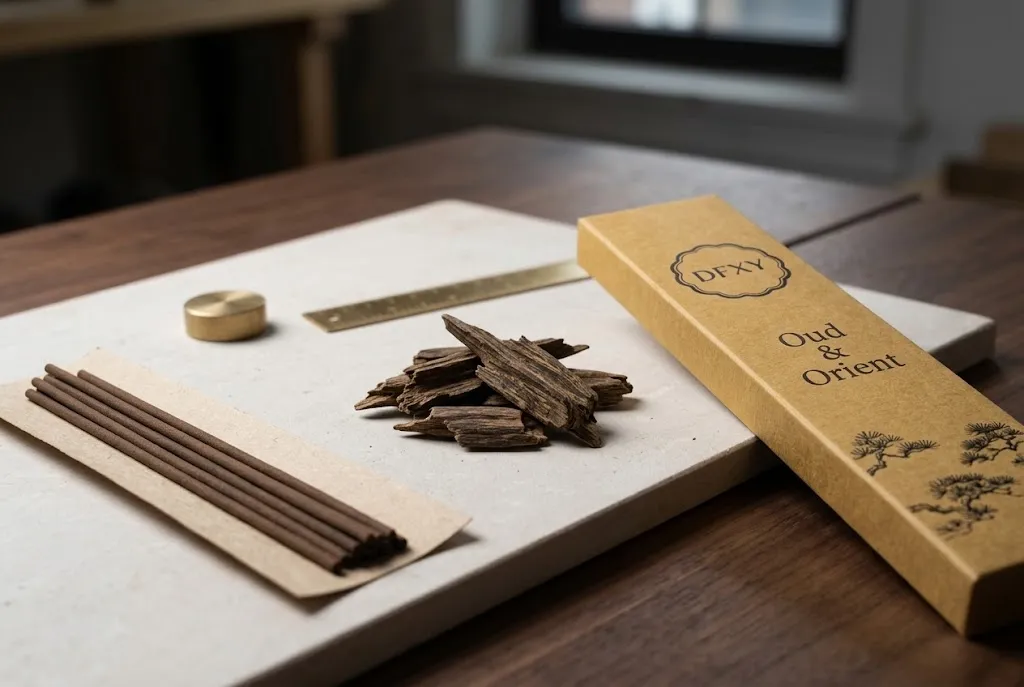
Agarwood can seem unusually expensive when you first compare it with ordinary wood, fragrance products, or everyday incense. The reason is not one simple label such as “rare” or “luxury.” Agarwood prices reflect the resinous material itself, the form in which it is sold, how much usable aromatic material is present, the work required to make the finished product, and the clarity of the information offered to the buyer.
This guide explains why agarwood incense prices vary, what you can reasonably compare, and what to check before you buy. It is not a grading system, a price promise, or a claim that the highest-priced item is automatically the right choice.
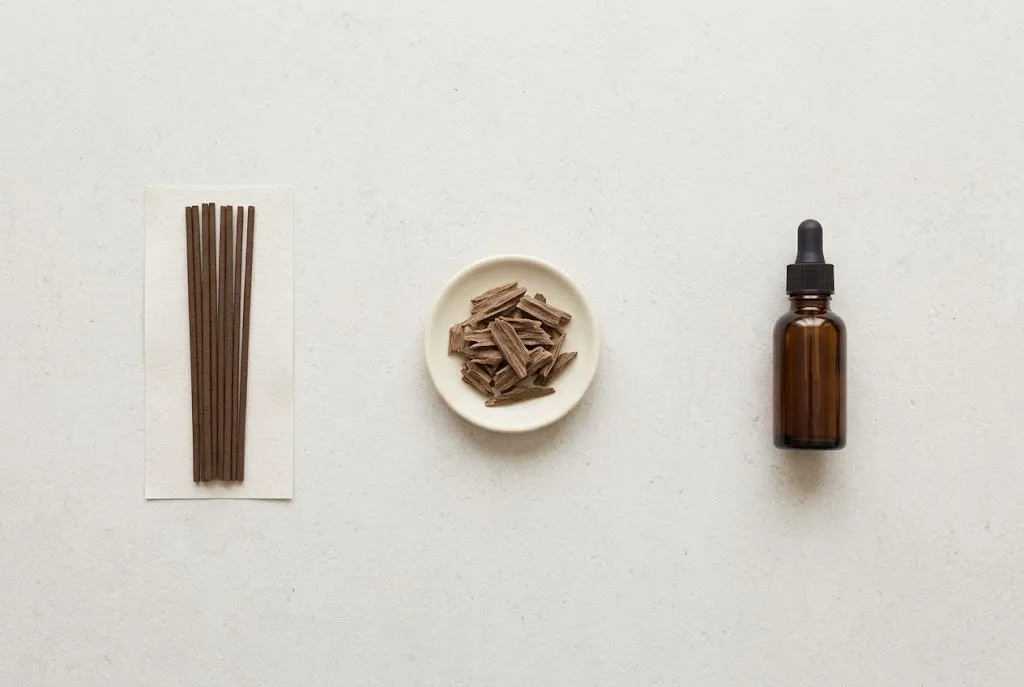
Agarwood is not ordinary heartwood. It is resinous wood associated with trees in the Aquilaria and Gyrinops genera. Resin formation is linked to stress or injury in the tree, and the amount of standing tree stock is not the same as the amount of resinous material eventually produced. That helps explain why the aromatic material used in trade can be limited even where trees are cultivated.
But “agarwood” is a broad category, not a single standardized product. A small package of incense sticks, loose wood chips, oil, powder, beads, and a raw wood piece are sold in different units and serve different purposes. Comparing only the total price can be misleading. A finished retail item can include sorting, cutting, formulation, packaging, product photography, storage, customer service, and returns in addition to raw material costs.
Start with a more useful question than “Is this expensive?” Ask: What exactly am I buying, how much usable material does it contain, and what information supports the description?
The aromatic material is an important cost factor, but it is not the only one. Product price may also reflect how the material was selected, cleaned, processed, blended, or made into an incense format.
Agarwood is valued for its resinous character and aroma. In practical terms, sellers may work with material that varies in density, fragrance direction, cleanliness, and usable yield. A raw piece can look large but contain a limited portion that is suitable for a particular product. Conversely, a small amount of carefully selected material may be used in a more concentrated or labor-intensive format.
This is why appearance alone does not tell you the whole value story. Darker color, visible grain, or a dramatic product name are not enough to confirm composition or quality. A reliable description should explain the product form and avoid vague claims that cannot be checked.
Natural and cultivated material are not interchangeable labels, and neither label alone tells you everything about aroma or suitability. Cultivation can help create supply and reduce pressure on wild forests, while resin production itself still depends on biological and processing conditions. CITES notes that agarwood-producing species are traded for their resinous wood and that resin may form through natural or artificially induced stress factors.
For a fuller explanation of this distinction, see Natural vs Cultivated Agarwood.
One of the most common pricing mistakes is to compare unlike products as though they were interchangeable.
| Product format | What you are usually paying for | What to compare |
|---|---|---|
| Incense sticks | Aromatic material, formulation, stick count, burn format, packaging | Number of sticks, dimensions, ingredient disclosure, use instructions |
| Wood chips | Raw aromatic wood prepared for heating or burning | Net weight, chip size, cleanliness, intended use |
| Oil | Distillation or extraction work, yield, bottle size, purity claims | Volume, extraction information, ingredient disclosure, seller documentation |
| Finished objects | Material plus sorting, shaping, drilling, matching, finishing, packaging | Material description, workmanship, dimensions, return terms |
Agarwood incense sticks are especially different from loose chips. A stick is a finished object designed for a particular burn format. Its price may reflect the binder or base material, shaping, drying, packaging, and the consistency of the finished batch. It should not be evaluated as if it were a bag of raw wood sold by weight.
If you are deciding between sticks and chips, first decide how you want to use agarwood. A comparison of formats is more useful than a direct price-per-gram calculation. See Agarwood Chips, Bakhoor, or Incense Sticks? for a format-focused guide.
A high price does not automatically prove quality, just as a low price does not automatically prove that a product is unsuitable. Clear information is more useful than dramatic wording.
Before buying, look for these details:
This checklist does not certify authenticity. It gives you a more disciplined way to compare listings and spot missing information. For a separate guide to evaluating product claims, see How to Identify Genuine Agarwood Incense.
Origin can be useful context because climate, species, resin formation, processing, and local traditions may influence the way material is described and used. However, origin alone is not a guarantee of aroma, quality, or value. Two products from the same region can differ significantly, and a seller should not use origin as a substitute for an honest product description.
Processing also matters. A finished incense stick may involve grinding, blending, binding, shaping, drying, quality checks, and packaging. A retail price therefore represents more than the value of a raw fragment of wood. Documentation, legal trade requirements, inventory, and customer support can also affect final retail costs. International trade in Aquilaria and Gyrinops is monitored under CITES, with trade controls intended to support sustainable management and legal trade.
Treat origin as one part of a wider picture. If you want to compare aroma directions rather than price alone, Agarwood vs Sandalwood Incense offers a practical comparison framework.
The right purchase depends on your purpose. A collector may prioritize provenance and documentation. Someone choosing incense for a living room may care more about aroma direction, stick format, and room presence. A first-time buyer may benefit most from a small pack with a clear description rather than an expensive, unfamiliar product.
Avoid treating price as a shortcut for personal fit. Instead, compare products within the same category. Compare one incense-stick listing with another incense-stick listing, using equivalent pack sizes where possible. Compare oils by volume and disclosure. Compare chips by net weight, intended use, and condition.
A sensible price comparison is not about finding the lowest number. It is about understanding what is included, what can be verified, and whether the product suits the way you intend to use it.
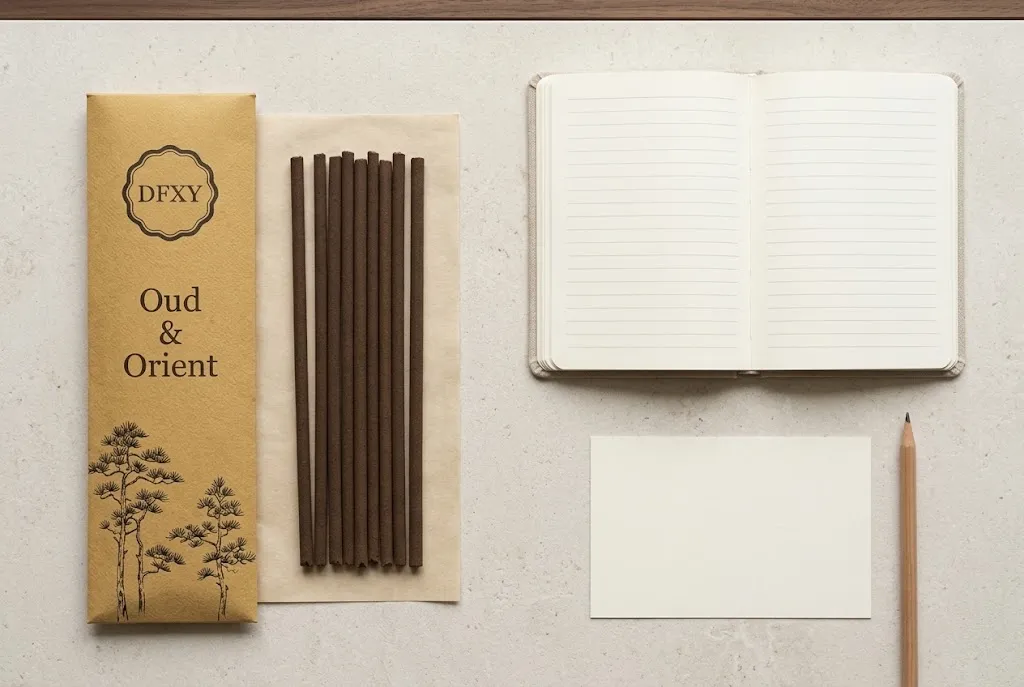
If you are new to agarwood, begin with a small, clearly described format. This allows you to learn what aroma direction and room presence you enjoy without committing to a large quantity.
Use this simple routine:
For a broader buying framework, see How to Choose Agarwood Incense Sticks.
They may differ in material selection, formulation, stick count, dimensions, packaging, seller services, and how clearly the product is described. Compare products within the same format before judging price.
No. A higher price can reflect materials, labor, documentation, and retail costs, but it does not guarantee that the aroma or format will suit your preferences.
Not necessarily. Chips and sticks are different formats with different units, preparation, and uses. Compare products only after confirming format, quantity, and intended use.
Origin can influence market perception and product descriptions, but it is only one factor. Resinous material, product form, processing, documentation, and seller practices also matter.
Check the product form, quantity, ingredient disclosure, aroma direction, use instructions, seller information, and return terms. A clear description is more useful than broad claims such as “luxury” or “rare.”