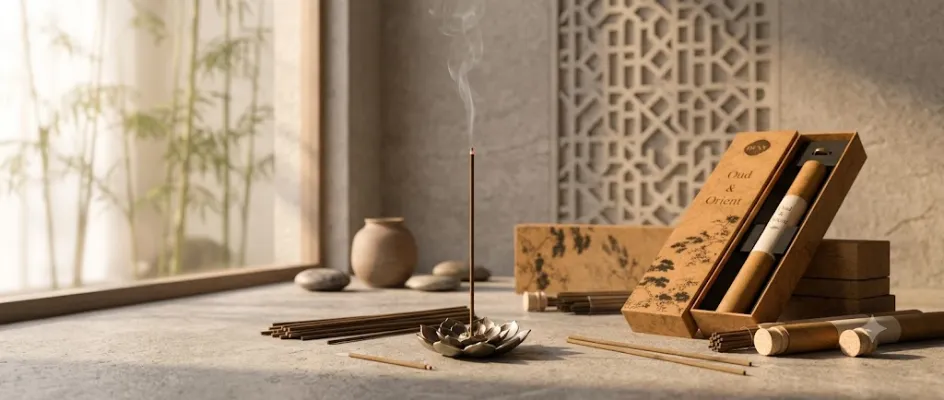
The Ultimate Oriental Agarwood Guide

A curated guide by DFXY for agarwood lovers across Europe, the Middle East, and Southeast Asia.

The Ultimate Guide to Oriental Agarwood (Oud) Incense

Confused by fake oud, harsh smoke and marketing buzzwords? This people‑first guide helps you choose safe, authentic oriental agarwood incense for your daily rituals.

  • Understand what real oriental agarwood (oud) is and why it’s so precious.
  • Learn how to spot fake or chemical incense and protect your health at home.
  • Discover which agarwood incense suits meditation, sleep, tea rituals or perfume layering.

Agarwood Chips for Quiet Evenings: A Thoughtful Home Ritual

DFXY Journal · Agarwood Chips A considered way to arrange the space, observe the fragrance and bring a supervised session to a clear close. Agarwood chips are small pieces of resin-bearing aromatic wood, also called oud. For a considered evening at home, choose compatible equipment, follow its instructions and make the session a supervised choice. Fragment size is not proof of grade, and natural material is not a guarantee of clean indoor air. In this article Start with the Evening, Not the Burner What Are Agarwood Chips? Small Pieces Are a Format, Not a Verdict Make Space for the Fragrance
Read More »

Why Does My Incense Smell Like Burning Wood? What to Check

Incense can smell woody because its ingredients burn as it releases fragrance. A harsh or smoke-dominated result does not identify one cause: check the lighting method, air conditions, holder, storage and product information. If use causes discomfort, stop first. Smell, smoke and ash cannot prove authenticity or safety. Identify the incense format before reviewing the setup. In this guide Separate a Woody Note from a Problem Stop First if the Session Feels Uncomfortable Check Whether the Stick Is Smouldering as Intended Review the Air Around the Holder Check Support and Ash Collection Compare the Stick with Its Stored Condition Read

Read More »

Why Is Agarwood So Expensive? A Clear Price Guide

Agarwood can seem unusually expensive when you first compare it with ordinary wood, fragrance products, or everyday incense. The reason is not one simple label such as “rare” or “luxury.” Agarwood prices reflect the resinous material itself, the form in which it is sold, how much usable aromatic material is present, the work required to make the finished product, and the clarity of the information offered to the buyer. This guide explains why agarwood incense prices vary, what you can reasonably compare, and what to check before you buy. It is not a grading system, a price promise, or a

Read More »

Agarwood Incense Claims: How to Evaluate Natural, Pure, and Sustainable Products

Agarwood incense can be part of a considered home routine, but choosing responsibly means looking beyond a single claim such as “natural,” “premium,” or “sustainable.” A useful product page should explain what the incense is, how it is intended to be used, what information the seller can verify, and what remains uncertain. This guide helps you evaluate agarwood incense claims in context, so you can choose a product that fits your needs without treating marketing language as proof. This is not a guide to identifying fake agarwood, ranking grades, or explaining every stage of agarwood formation. Instead, it focuses on

Read More »

How to Choose Agarwood Incense Sticks: A Practical Buying Guide

Buying agarwood incense is easier when you stop looking for a single “best” stick and start looking for a product that fits your routine. The right choice depends on how you plan to use it, what kind of aroma you enjoy, whether you need a coreless format, and how much information the product page provides. A clear buying process can help you avoid ordering a product that sounds appealing but does not suit your holder, home, or expectations. This guide is for someone choosing their first—or next—agarwood incense sticks. It does not rank grades, promise a particular mood, or tell

Read More »

How to Choose the Right Agarwood Incense for You

This section translates everything above into practical choices. Think about your space, your schedule and your preferred scent style, then match them to the scenarios below.

For Meditation & Yoga

Choose gentle, stable agarwood sticks with soft smoke and balanced aroma. Look for natural ingredient lists and avoid “perfumed” incense marketed mainly by colour or strong cold scent.

For Sleep & Bedroom

Use shorter‑burn sticks in cooling or slightly sweet profiles. Burn 30–60 minutes before sleep with windows slightly open to keep the air comfortable and fresh.

For Tea Rituals & Reading

Coils and select stick blends work well here. Seek nuanced profiles that evolve slowly and do not overpower delicate tea aromas or quiet conversations.

For Perfume Lovers & Oud Layering

perfumes. Incense sets the space, while oil stays on the skin – together they create a signature oriental scent identity.

Get Free Quote

Feel free to contact us, We’ll get backyou soon as we can.