
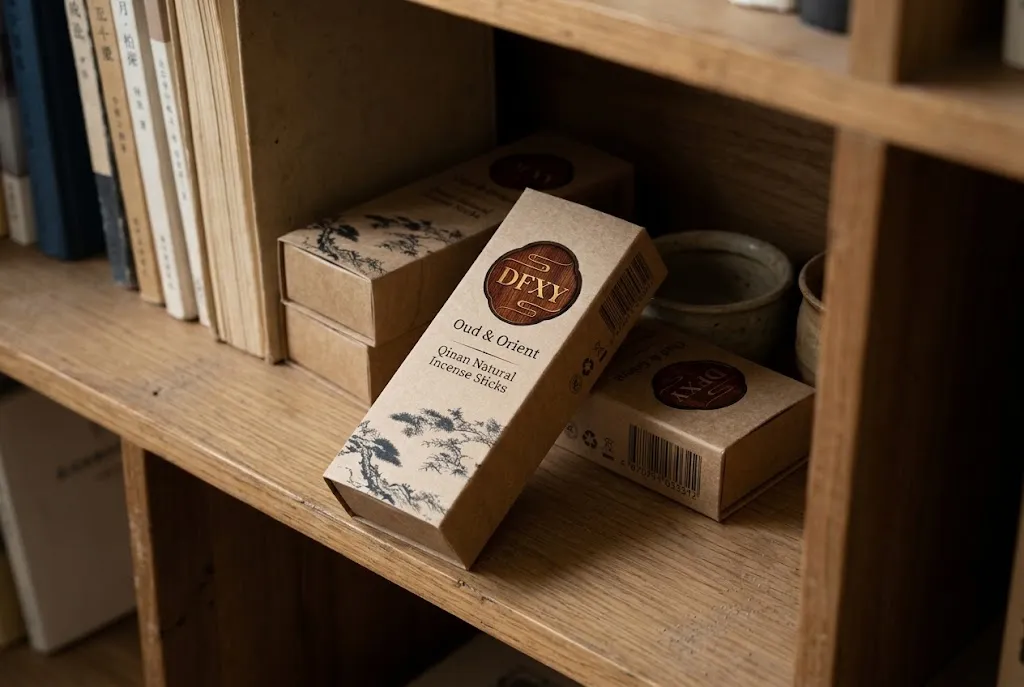
A mild woody or lightly charred note is a normal part of burning incense. A smell that is mostly smoke, or that turns harsh and bitter, is worth checking, and the cause is often something you can change: an open flame, still or drafty air, an unstable holder, a stick that was stored badly, or a product that does not match its description. This guide helps you work out which one, one check at a time.
Updated 25 October 2026.
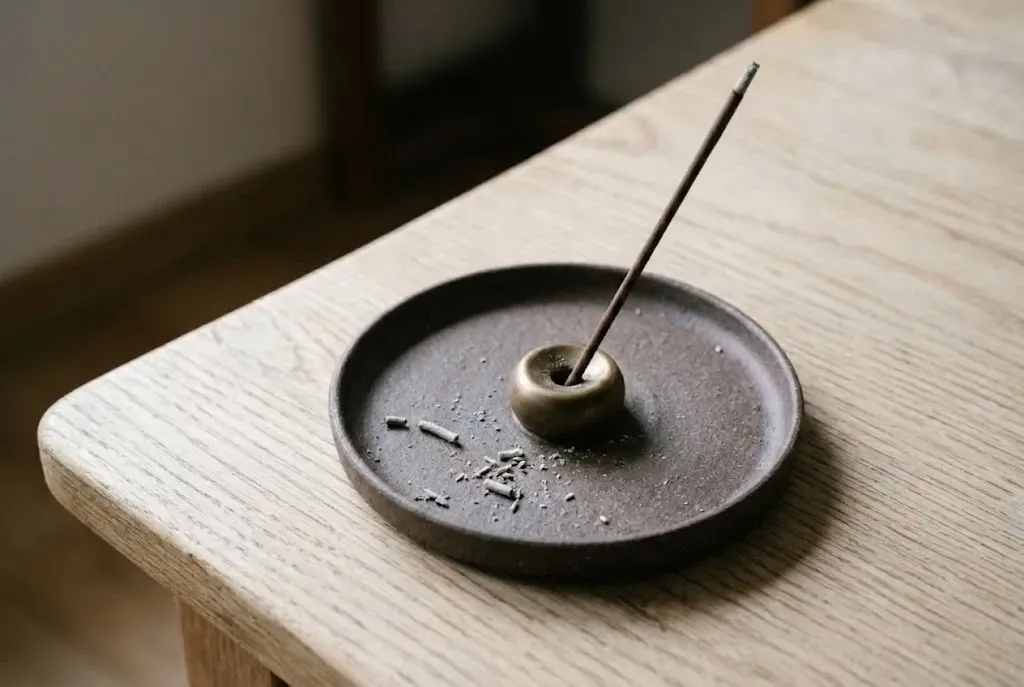
Incense is made to smoulder. As it burns slowly, the aromatic materials, wood powder and binders in the stick release fragrance and smoke together, so a soft woody, earthy or lightly charred background is not automatically a fault. The smell to investigate is one that stays harsh, bitter or stale, hides the fragrance, or makes the room uncomfortable.
Change one thing at a time so you can tell what helped. Start with a single stick, a clear surface and a neutral room, then work through the checks below in order.
If the smoke irritates your eyes, nose or throat, or you feel unwell, put the incense out as its instructions describe and move to fresh air. There is no need to keep burning it to find out whether the smell improves.
The US Environmental Protection Agency notes that burning almost anything indoors produces fine particles, and its guidance on indoor particulate matter advises making sure proper ventilation is available when burning candles and incense indoors. Gentle ventilation helps, but it does not make every session suitable for every person or room, so keep sessions short and attended. For the full lighting, supervision and shutdown routine, read our guide to burning agarwood incense safely.
| What you notice | A likely cause | Check this first |
|---|---|---|
| A flame stays on the tip, or smoke is heavy in the first minutes | The flame was not put out, so the stick is burning instead of smouldering | Blow out the flame and confirm that a small glowing ember remains |
| Smoke hangs thickly and the room smells heavy | Still air, too many sticks or a small room | Burn one stick with gentle ventilation, not in a closed room |
| The burn is uneven, goes out, or smoke streams sideways | A draft from a fan, vent or window, or a stick that is not held steadily | Move away from the airflow and check the holder |
| The stick smells stale, musty or perfumed before you light it | Storage in damp air or near strong smells, or an old stick | Check where it was kept; stop using a stick with visible damage or moisture |
| Several different sticks all smell smoky | The setup, the room or the product description may be the common factor | Compare with the product information and ask the seller |
A stick should smoulder, not burn like a candle. If an open flame stays on the tip, it burns hotter and faster, and the combustion note can overwhelm the fragrance. Light the tip, let a small flame form briefly, blow it out gently and check that a small glowing ember and a thin wisp of smoke remain. If the flame keeps returning, the stick is probably in a draft, so do not fan it. Our guide to burning incense sticks evenly covers lighting, relighting and uneven burns in more detail.
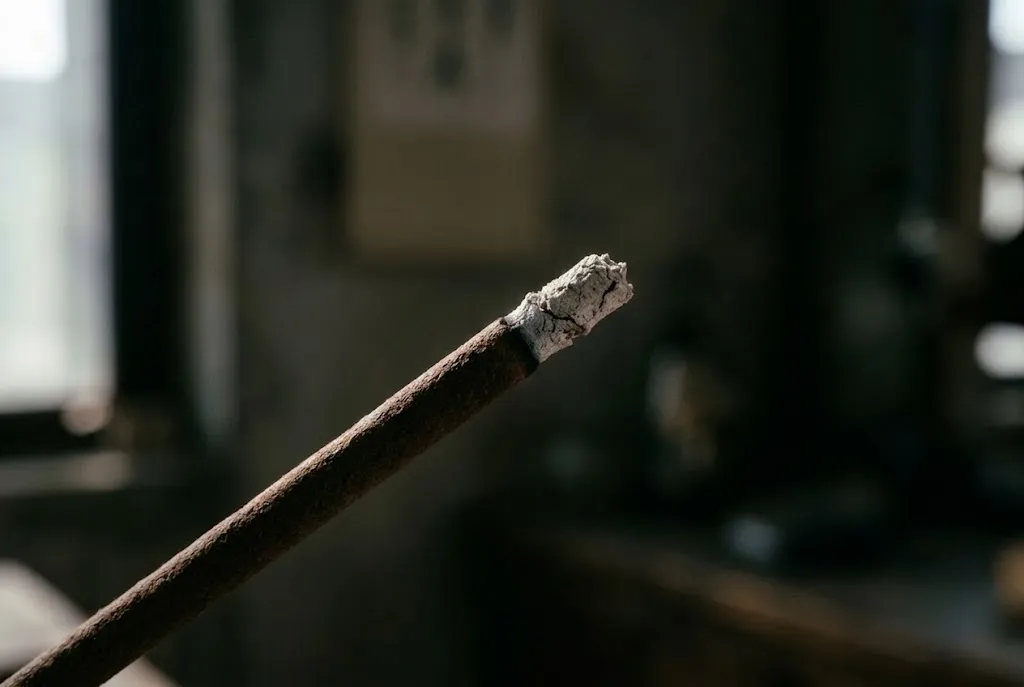
In a sealed room, smoke builds up and even a delicate stick can smell heavy. Beside an air conditioner vent, fan or open window, the ember can burn unevenly and the smoke is swept away before the fragrance settles. Look for a calm spot with mild air exchange: open a window or door slightly, but keep the holder out of the direct stream.
Judge the smoke itself. It should rise softly for a short distance and then disperse, not whip sideways or hang in one place. Burning several sticks in a small room rarely makes a better fragrance and mostly adds smoke, so one stick for one session is the sensible starting point.
A holder cannot change what is in the incense, but an unstable one can make the burn unpredictable and unsafe. Use a stable, non-flammable holder that supports the stick and catches ash, on a heat-resistant surface away from paper, curtains and fabrics. Coreless sticks have no bamboo end to insert, so check that the holder supports the stick itself. Our incense holder guide explains how to check the fit.
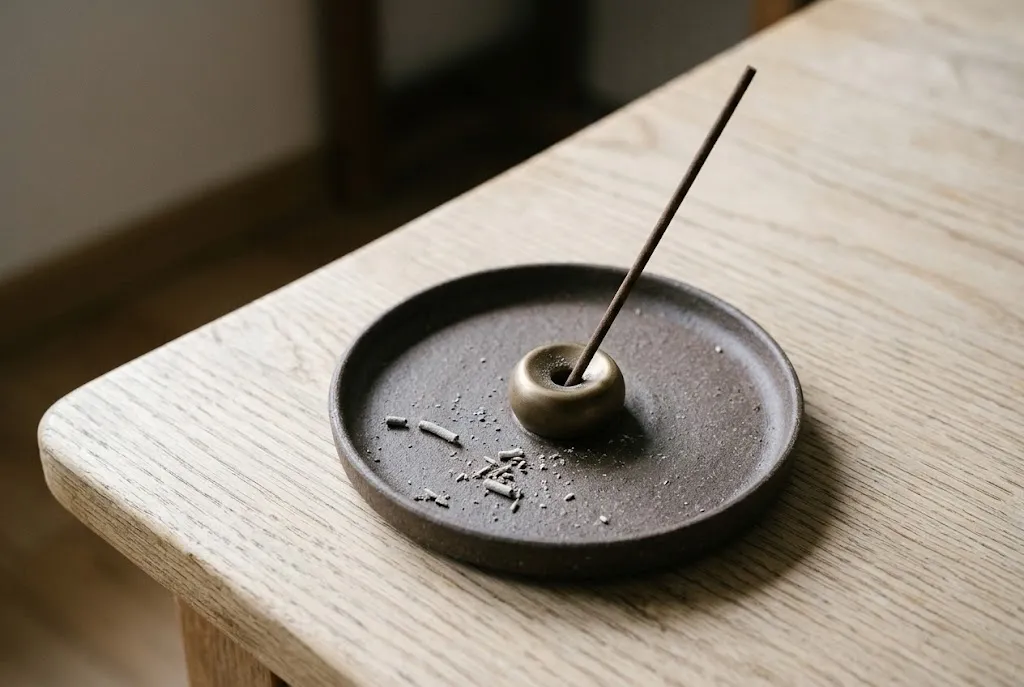
Storage changes how a stick smells and burns. Damp air, heat and nearby strong smells such as spices, perfume or cleaning products can all alter the first impression. Keep sticks in their original packaging in a dry place away from sunlight, as described in our incense storage guide. If a stick looks damp, smells musty before lighting or burns erratically, try a fresh stick that has been stored better. If you see visible damage or growth, stop using it and contact the seller rather than burning it to test it.
A smoky or harsh smell is an observation, not a diagnosis. It does not by itself show that a stick is fake, and a pleasant smell does not prove that a stick is authentic or free of smoke. Colour, ash and the strength of the unlit scent are not reliable tests either.
Words such as oud, natural or low smoke describe a direction, not a full composition. Our incense label guide explains how to separate material statements from fragrance language, and the low-smoke incense guide explains what that term can and cannot promise. If the smoke level matters to you, ask what the description means for that exact product.
A clear message gets a better answer. Include the product name or reference, the order or batch details if you have them, the holder you used, how the stick was stored, and when the smell appeared: before lighting, in the first minutes or throughout the session.
Say whether an open flame stayed on the tip and whether other fragrances, cooking smells or candles were present. A photograph of the packaging helps identify the item. Please do not light another stick just to take a photograph, and keep the original packaging until the question is settled.
Send us the product reference and what you noticed, so we can review your question.
Contact DFXYA mild woody or lightly smoky background note can be normal, because incense burns by smouldering. A sharp, bitter or overwhelming smoke smell is worth checking: the flame, the airflow, the holder, how the stick was stored and the product information.
Smoke is part of burning, but a smell dominated by smoke often points to an open flame, still air, a draft, too many sticks in a small room, or a stick that was stored badly. Work through one check at a time.
A bad smell can come from the burn, such as a flame, draft or crowding, from the condition of the stick, such as damp or old stock, or from competing smells in the room. The fragrance may also simply not suit you. If it is unpleasant or uncomfortable, put it out.
Use gentle ventilation, but keep the holder out of a direct draft. A slightly open window or door helps smoke disperse, while a fan or vent blowing on the ember makes the burn uneven.
No. Smell, smoke and ash cannot prove or disprove authenticity. Check the product information and ask the seller about the specific item.
No. Keep burning incense attended, use a stable non-flammable holder and put the ember fully out before you leave the room or go to sleep.