
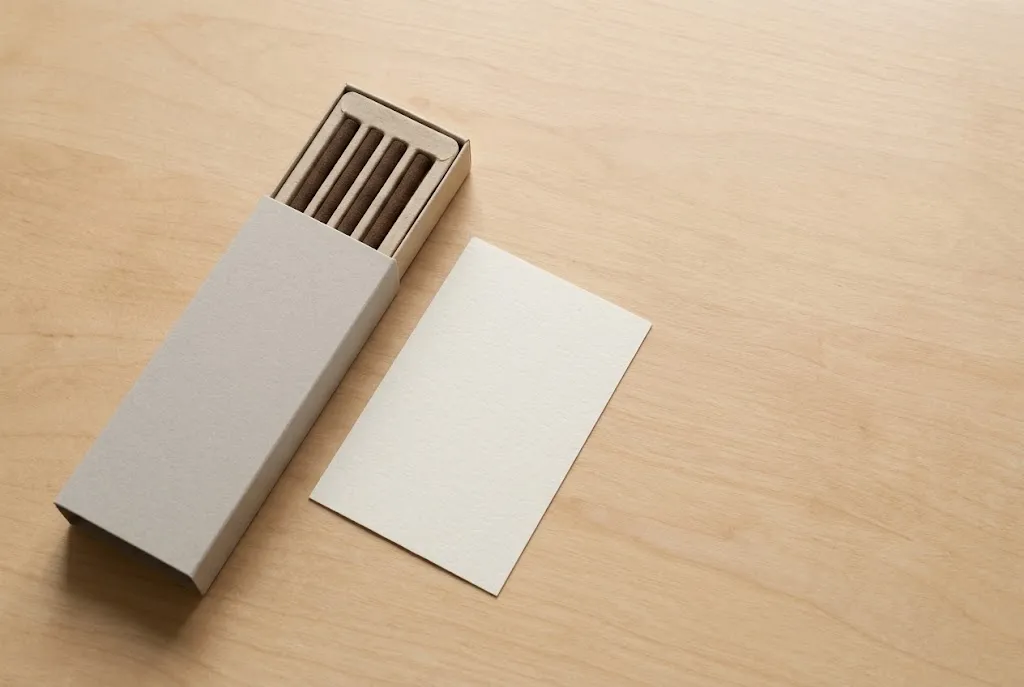
Seeing “oud” on a product does not tell you everything you need to know before buying. The same name can appear on aromatic wood chips, distilled oud oil, a fragrance blend, bakhoor, or a stick of agarwood incense—and each has its own format, setup, and product information to check. This guide helps you look past the name and compare what a listing actually tells you: the product format, material or fragrance disclosure, quantity, included items, and recommended use. Whether you are considering agarwood incense sticks or another oud product, start with the details that determine how you will use it—not the strongest-sounding label.
Before comparing scent descriptions or prices, identify what you are actually buying. “Oud” can describe an aromatic material, a distilled oil, a finished fragrance, a blended home-fragrance product, or incense. These are not interchangeable, and they do not require the same setup.
| Product format | What you may receive | Details to check |
|---|---|---|
| Agarwood chips | Resinous aromatic wood pieces or chips | Net weight, source description, suitable heating method |
| Distilled oud oil | An aromatic material distilled from agarwood | Product type, intended use, and any use restrictions |
| Oud perfume or perfume oil | A finished fragrance product | Formula type, application guidance, and ingredient disclosure |
| Bakhoor | A blended fragrance product, often in block, chip, or powder form | Formula disclosure, required burner, and use instructions |
| Coreless agarwood incense sticks | Solid incense without a separate bamboo support | Bamboo-free construction, quantity or net weight, holder compatibility |
This distinction matters because a bottle of oud oil, a bag of agarwood chips, and a box of agarwood incense sticks are not alternatives in the same sense. They may share a fragrance direction, but they are used differently and need different information before purchase.
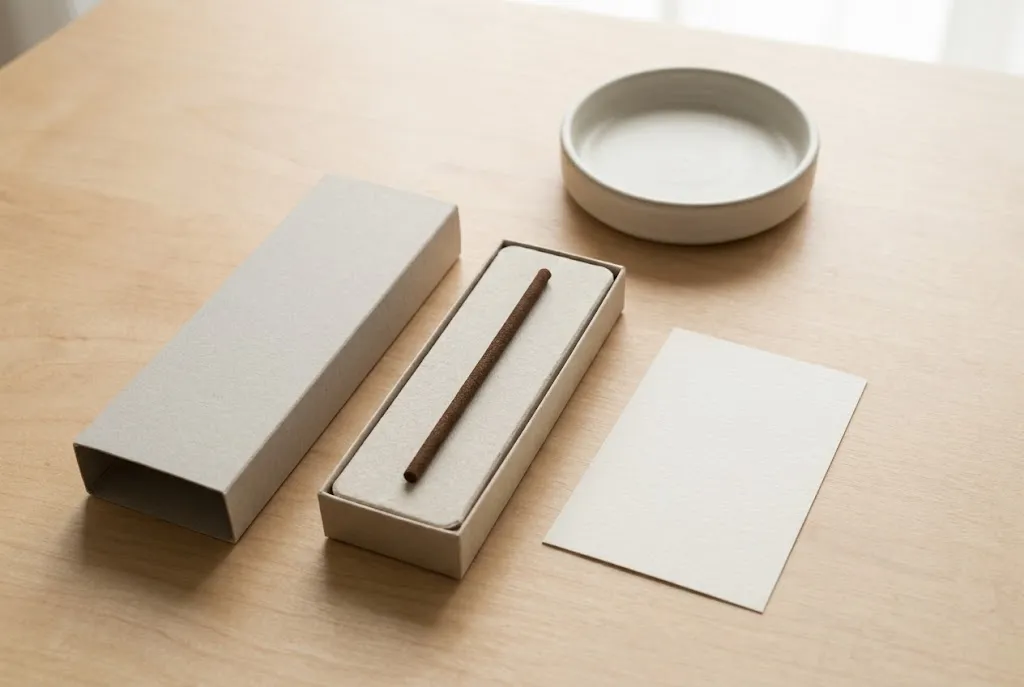
Do not rely on a product photograph to determine the format. A holder, tray, gift box, or decorative object may be part of a styled image rather than part of the purchase. Check the written product description and included-items list.
“Oud” can be a useful starting point, but it is not a complete specification. It may refer to agarwood, an oil associated with agarwood, or an oud-inspired fragrance direction, depending on the product and seller.
Agarwood is the resinous wood associated with Aquilaria trees; oud is a related name that can refer to distilled oil, the resinous wood itself, or related usage. For a fuller explanation of how these terms appear on incense labels, see DFXY’s guide to reading agarwood incense labels.
That also means “oud fragrance” or “oud note” should be read as a scent description, not as proof of a particular agarwood content, origin, grade, or certification. An “oud-inspired” product may be intended to evoke an aroma direction rather than contain a specific material.
If a listing does not explain the material or fragrance source, treat that as information to confirm with the seller. Do not fill the gap by assuming that a product is natural, additive-free, wild-harvested, or suitable for every user.
Once you know the format, compare what each listing discloses. A clear product page should help you understand what the product is, what it contains or does not contain, how much you are buying, and how to use it.
| Check | What to look for | If it is unclear |
|---|---|---|
| Product identity | A clear statement of whether it is chips, oil, perfume, bakhoor, or incense | Ask the seller before ordering |
| Material or fragrance disclosure | Stated information about aromatic material, fragrance oils, synthetic perfume, dyes, charcoal powder, or scent enhancers | Treat missing details as questions, not assumptions |
| Quantity or net amount | Net weight, volume, number of sticks, or another comparable measure | Ask for the exact specification |
| Included items | A clear distinction between the product and display props | Confirm whether accessories are included |
| Use and care | Holder, burner, ventilation, supervision, storage, or extinguishing guidance | Follow the seller’s instructions |
| Claims scope | Which product, variant, or batch a claim applies to | Do not apply one product’s claim to an entire range |
DFXY’s guide to clean incense sticks emphasises reading product claims before buying and choosing information you can understand. This article applies that approach specifically to products marketed under the oud name.
For example, DFXY publicly describes its coreless incense as bamboo-free and made without added fragrance oils, essential oils, synthetic perfume, dyes, charcoal powder, or artificial scent enhancers. That is a product-specific claim to verify on the page for the item you are considering; it should not be assumed to apply to every oud-labelled product from every seller.
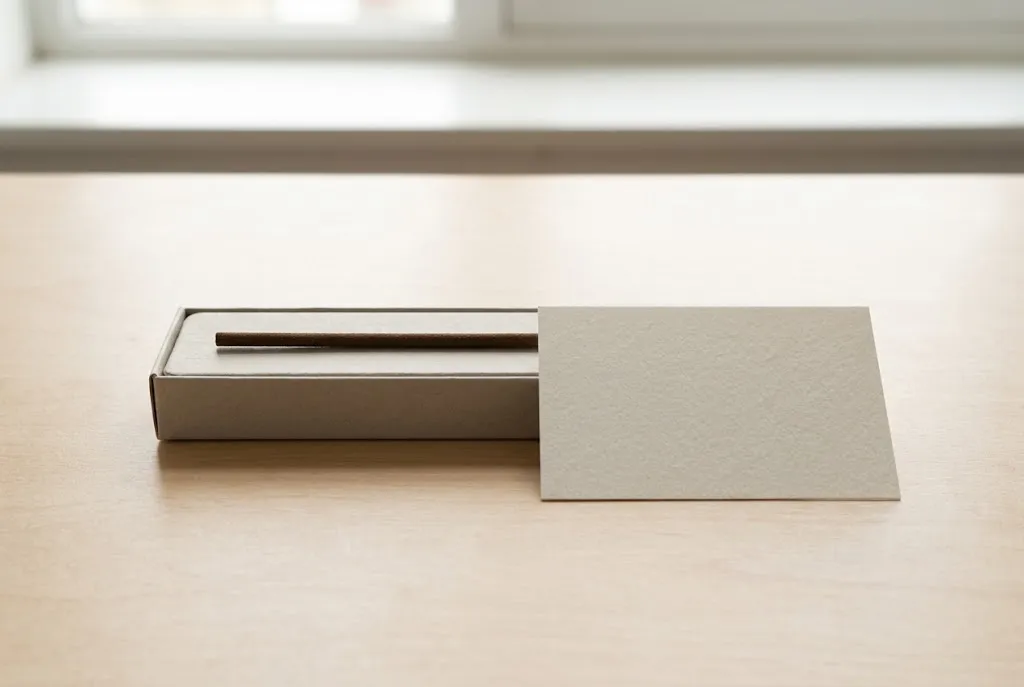
Price comparisons become useful only when the products are comparable. A gram of agarwood chips, a millilitre of distilled oud oil, and a single agarwood incense stick are not naturally equivalent units.
| Format | Useful comparison basis | What to include |
|---|---|---|
| Agarwood chips | Price per gram or per stated weight | Product only; do not mix in unrelated accessories |
| Distilled oud oil | Price per stated volume | Product and any disclosed dilution or usage guidance |
| Bakhoor | Price per stated weight or use count, if provided | Product and required burner, if not already owned |
| Coreless incense sticks | Price per stick or per stated net weight | Product, holder requirement, and shipping |
If you already own a suitable burner or holder, compare the product cost. If you do not, include the appropriate setup in your total. A lower-priced product may not be the better value if it requires a separate accessory you still need to buy.
Avoid comparing a product with a clear net weight or stick count against one that only gives a vague quantity. Without comparable specifications, a price difference does not tell you much.
The right Oud product is the one that matches both your intended use and the setup you already have. This is not about choosing a “best” format; it is about avoiding a purchase that cannot be used as expected.
| Your situation | Check first |
|---|---|
| You already use a suitable burner | Whether the bakhoor or chips are compatible with that burner and its instructions |
| You want to use incense sticks | Whether the stick is coreless and whether your holder securely supports it |
| You want a personal fragrance rather than indoor burning | Whether the product is a finished fragrance and what its use instructions say |
| You are unsure what you need | Whether the listing clearly identifies the format, included items, and required setup |
DFXY’s existing guide compares agarwood chips, bakhoor, and incense sticks for different home-fragrance needs. Use it to decide which format suits your routine; use this guide to check the product information before you order.
Bakhoor is a distinct fragrance format, not simply another name for oud, agarwood, or incense. If you are considering it, review its specific burner and use requirements rather than assuming it works like an incense stick.
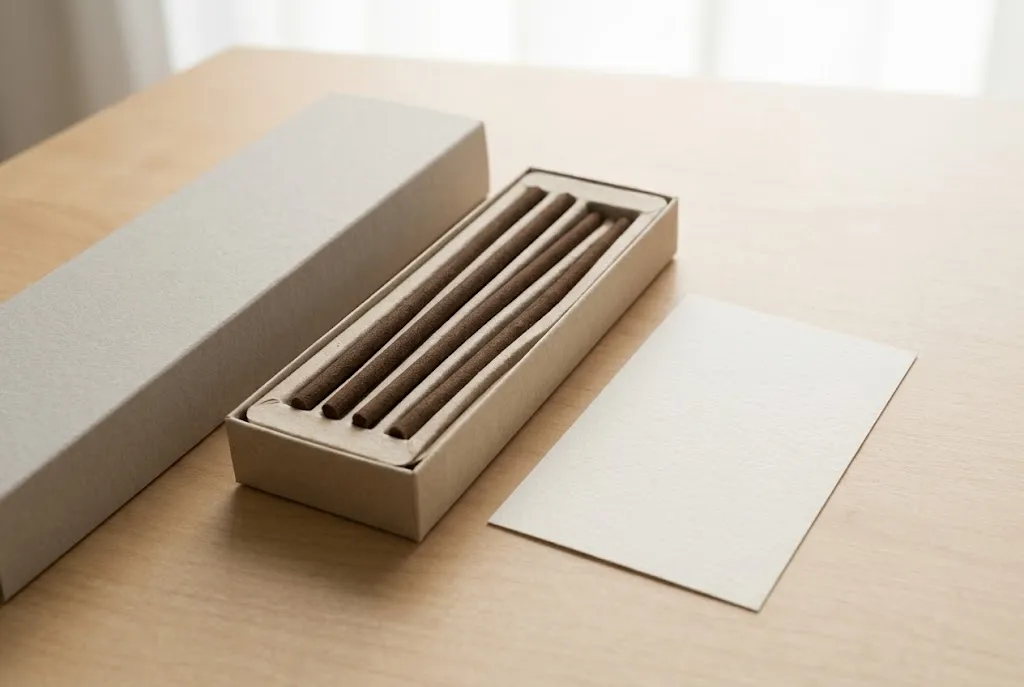
Before checkout, answer four questions:
If any answer is unclear, ask DFXY before ordering rather than relying on assumptions. A product with clear, relevant information is easier to use and easier to evaluate than one that relies only on an attractive name.
For agarwood incense specifically, browse DFXY’s agarwood incense sticks collection after confirming the format, fragrance description, and use information for the item you select.
No. Oud is related to agarwood, but the name can be used for aromatic wood, distilled oil, incense, or an oud-inspired fragrance direction. Check the product format and description rather than relying on the name alone.
Not necessarily. A distilled oud oil and a finished perfume oil are different product types, with different formulations and intended uses. Follow the specific product’s instructions rather than assuming they are interchangeable.
No. Agarwood chips are a wood format, while bakhoor is a distinct fragrance format that may involve a blend. Check the product description, required burner, and use instructions before buying.
Not necessarily. “Oud-inspired” usually describes a fragrance direction. It does not by itself confirm the presence, amount, origin, or quality of agarwood.
Compare products within the same format first: oil by volume and incense by stick count or net weight. Across formats, consider the total setup needed for one intended use, including any holder or burner you still need to buy.
Confirm that it is coreless, check the quantity or net weight, review the fragrance and additive disclosure, and ensure you have a holder that securely supports the solid stick and catches ash.