

Buying agarwood incense is easier when you stop looking for a single “best” stick and start looking for a product that fits your routine. The right choice depends on how you plan to use it, what kind of aroma you enjoy, whether you need a coreless format, and how much information the product page provides. A clear buying process can help you avoid ordering a product that sounds appealing but does not suit your holder, home, or expectations.
This guide is for someone choosing their first—or next—agarwood incense sticks. It does not rank grades, promise a particular mood, or tell you that a higher price automatically means a better experience. Instead, it gives you a practical sequence: choose the format, read the aroma description, check the specifications, and confirm that you can use the product as intended.
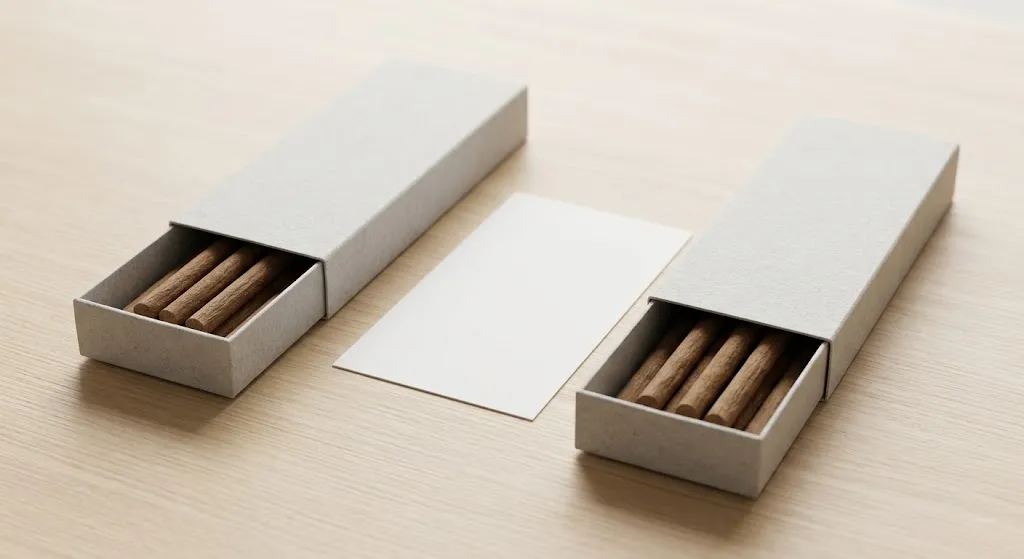
Before comparing aromas, decide what kind of use you want. A short session while reading, a quiet moment after work, or a regular tea-time routine may all call for the same basic product format, but your space and setup still matter.
For most buyers, incense sticks are the most straightforward prepared option: they are designed to be lit and placed in a suitable holder. If the product is coreless, it has no separate bamboo support inside. That is useful information for choosing a holder, but it is not by itself a claim about ingredients, smoke, or quality.
Ask yourself three questions:
If the answer to the first two questions is no, solve the setup issue before ordering. Buying more incense does not solve an unsuitable holder or a space where burning incense is unwelcome.
Agarwood incense can be described as woody, resinous, warm, earthy, lightly roasted, or gently sweet. These are direction words, not standardized measurements. They help you compare products when a listing is specific, but no single word tells you exactly how a stick will smell in your room.
Use the description to identify your preference. If you enjoy dry, forest-like aromas, look for woody or restrained descriptions. If you prefer a rounder impression, look for warm woods, soft resin, or gentle sweetness. If you are sensitive to heavy scents, choose a product with a clear, restrained profile rather than assuming all agarwood incense will feel the same.
A product name alone is rarely enough. Words such as “premium,” “royal,” “black,” or “ancient” may be part of branding; they do not substitute for a scent description, specifications, or use guidance.
A product page should tell you what you are buying. Check whether the item is a coreless incense stick, a bamboo-core stick, a chip, powder, cone, bakhoor, or another format. Do not assume that every item described with oud or agarwood is an incense stick.
Then look for practical specifications:
| Detail | Why it matters |
|---|---|
| Coreless or bamboo-core format | Helps determine holder compatibility |
| Number of sticks or net weight | Lets you compare package size clearly |
| Stick length, if provided | Helps assess storage and holder fit |
| Included items | Separates the product from styling props |
| Use instructions | Explains lighting, supervision, and care |
| Storage guidance | Helps protect the product between sessions |
If the page leaves a key detail unclear, ask the seller before ordering. Do not infer that a holder, tray, gift wrapping, or another accessory is included because it appears in a photograph.
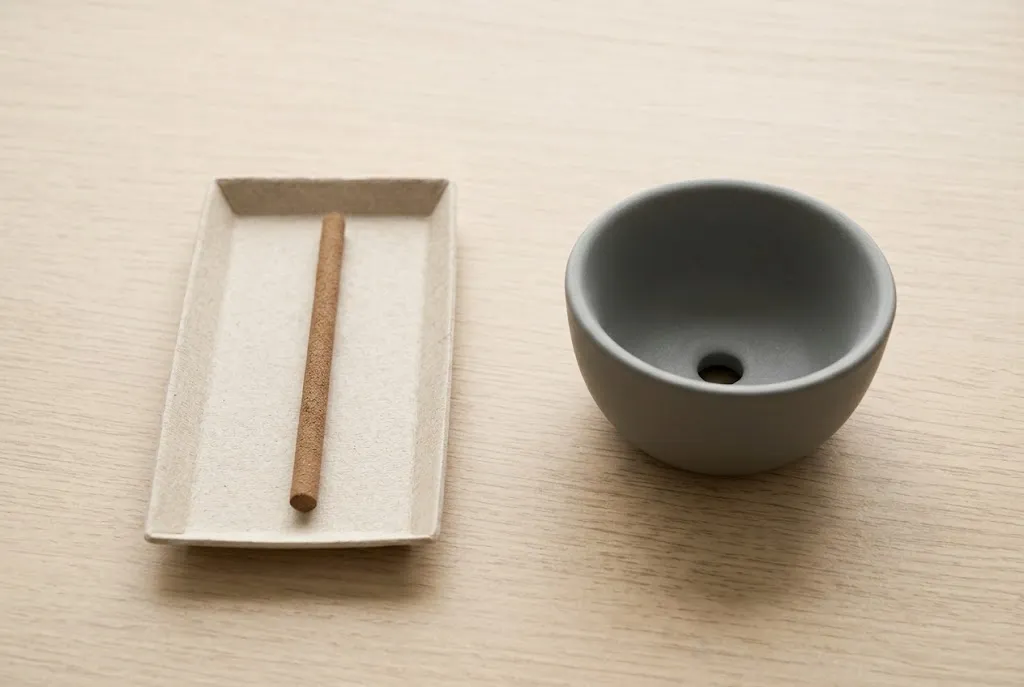
A coreless stick is a solid incense body rather than a scented coating around a bamboo splint. Use a holder that supports the stick without force and catches ash along its burning path.
A narrow hole designed for a bare bamboo end may not fit. A decorative dish may look suitable but fail to keep the stick stable or catch ash. Before buying, check whether the holder is made for the diameter and length of the specific incense format.
If you need help choosing a holder, use DFXY’s coreless incense-holder guide after verifying that the linked page is current and relevant. The purpose is to confirm fit and stability, not to buy an accessory simply because it appears in a product image.
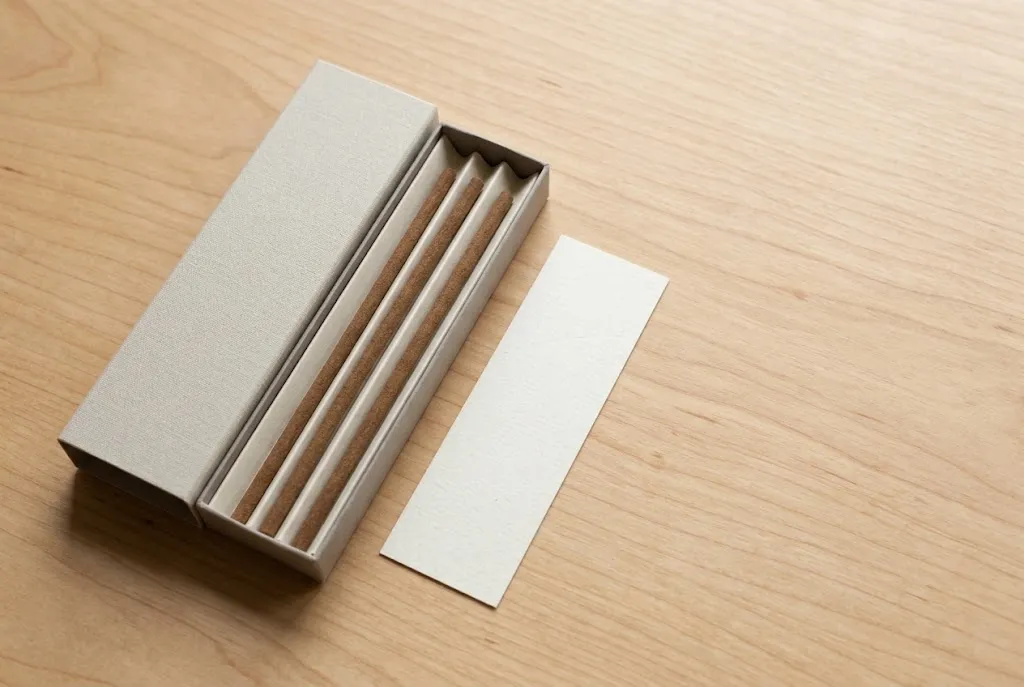
When an aroma is unfamiliar, a manageable quantity can be more useful than a large box. It gives you a chance to learn how the incense behaves in your own setting and whether the scent suits your preferences.
This is not a rule that every buyer must start small. If you already know the specific product or aroma profile, a larger package may make sense. The important point is to match the quantity to your confidence and expected use, not to assume that the largest package is the best value.
Compare prices only after comparing the same kind of information. For example, two boxes can be evaluated by stick count or stated net weight when those details are available. Avoid comparing a vague “large pack” with a product whose specifications are clear.
Words such as natural, pure, handcrafted, low smoke, or premium need context. A claim is useful when the product page explains what it applies to. For example, coreless describes construction; it does not automatically establish a product’s material composition or fragrance disclosure.
DFXY publicly describes its coreless incense as bamboo-free and made without added fragrance oils, essential oils, synthetic perfume, dyes, charcoal powder, or artificial scent enhancers. Treat that as a product-specific claim to verify on the page for the item you are considering, rather than a shortcut for judging every incense on the market.
If you are comparing natural or clean-incense claims, look for details about the specific item. Do not rely on broad terms alone, and do not treat a natural claim as a promise of medical benefit, zero smoke, or universal suitability.
Before checkout, confirm the following:
If any of these points is unclear, contact the seller before ordering. A well-described product with a suitable setup is usually a better first choice than a more elaborate item with missing information.
Agarwood incense is personal. One person may prefer a dry woody profile, while another may enjoy a warmer resinous character. The best product is not the one with the most dramatic name or the highest price; it is the one whose format, aroma description, specifications, and use requirements match your routine.
Start with clear information, a suitable holder, and a product you can use attentively. Once you know what you enjoy, future choices become simpler—and more rewarding.
Confirm the format, aroma description, quantity, holder compatibility, use instructions, and included items. Product names and photographs are useful, but they should not replace clear specifications.
Neither format is automatically better. Coreless describes a stick without a separate bamboo support. Choose based on the product information, your holder, and the experience you want.
A manageable quantity can be useful when the aroma is unfamiliar. If you already know the product or scent profile, a larger package may suit your expected use.
These words describe an aroma direction. Woody often suggests a forest-like or timber-like character; resinous can suggest a warmer, deeper impression. They do not prove grade, origin, or ingredient percentage.
No. Use a holder that securely supports the solid incense body and catches ash. A narrow hole made for a bare bamboo end may not fit.
No. Natural is not a guarantee of zero smoke, medical benefit, or universal suitability. Follow the product instructions, ventilate the space, and stop using the incense if the scent or smoke feels uncomfortable.