
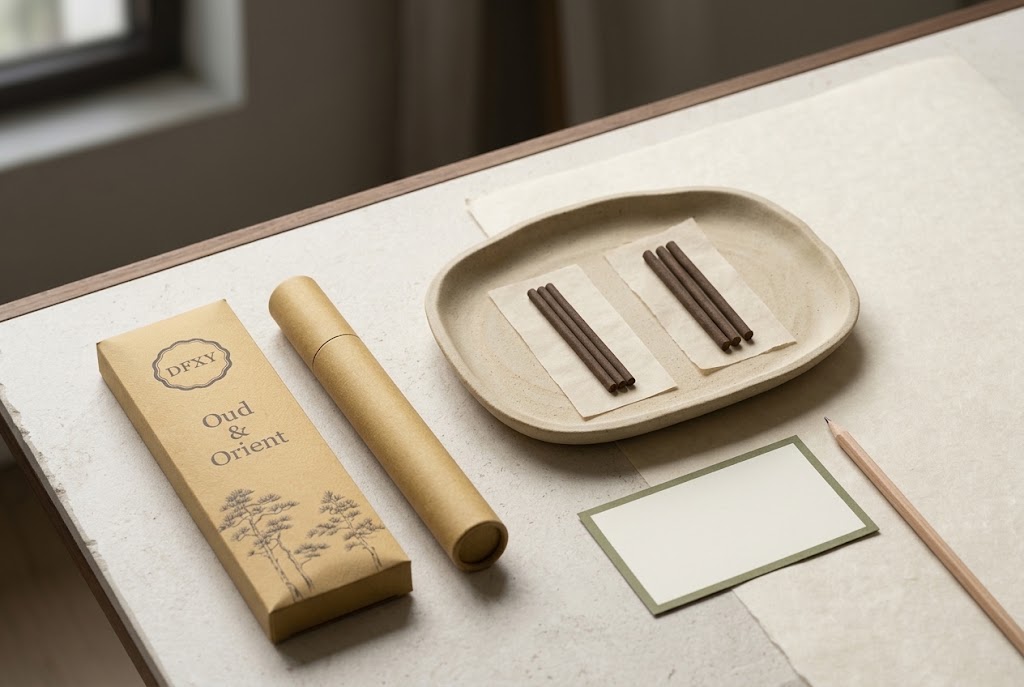
When you see “natural agarwood” or “cultivated agarwood” on an incense listing, do not treat those words as a simple ranking of good versus bad, real versus fake, or expensive versus affordable. For an incense buyer, the more useful questions are: what exactly is the product format, what information does the seller provide, how is the aroma described, and will the stick suit your room and intended use?
Natural and cultivated material can both appear in agarwood products, but the label alone does not tell you everything about the finished incense. Aroma, formulation, stick format, processing, quantity, and product transparency all affect the experience. This guide explains what the terms usually mean and how to use them as part of a more informed buying decision.
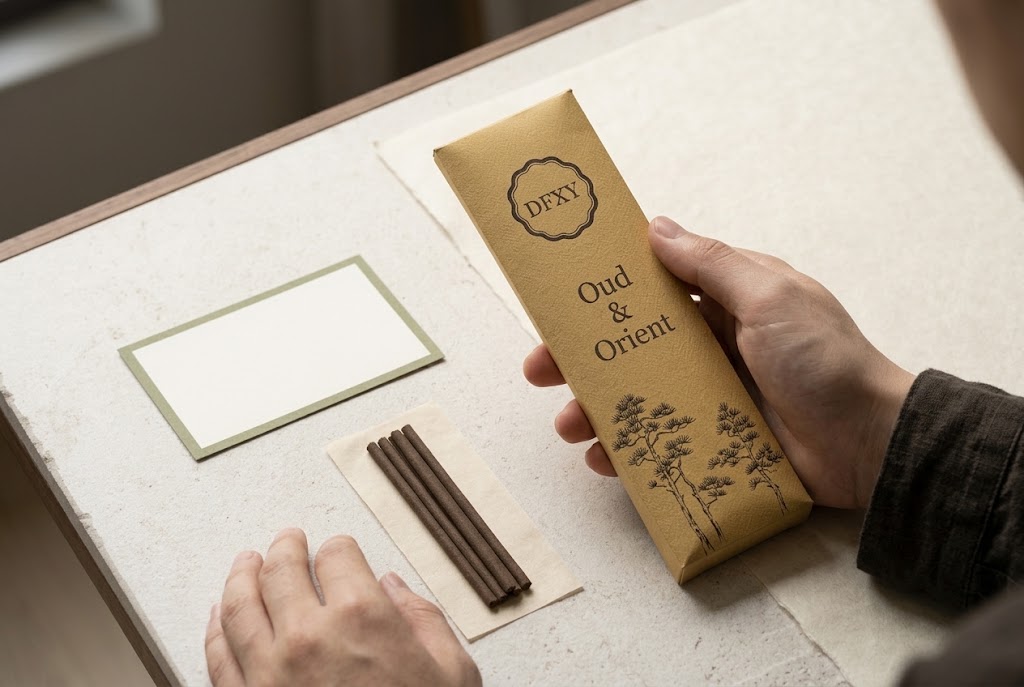
In broad terms, “natural” usually refers to agarwood material associated with trees growing outside a managed plantation setting. “Cultivated” usually refers to material from trees grown in a managed environment, such as a plantation or farm.
These terms describe the growing context. They do not automatically tell you:
For a buyer, the label is a useful starting point—not a final verdict.
A finished agarwood incense stick is not the same as a raw piece of wood. It may involve selecting aromatic material, grinding or combining components, shaping the incense body, drying the stick, packaging the product, and providing instructions for use.
That means two products using the same word—such as “natural” or “cultivated”—can still feel very different once lit. One may have a softer woody direction, while another may feel more resinous, smoky, sweet, or dense. The room, holder, airflow, and burning method can also influence what you notice.
Avoid conclusions based on a single word on the box. A clear product listing should explain the format, quantity, aroma direction, intended use, and other practical details. If the listing only says “natural,” “rare,” or “premium” without useful context, it gives you less information to compare.
Before you compare natural and cultivated material, first check whether the product page gives you enough information to understand what you are buying.
Look for these details:
These details do not independently verify every statement on a product page. They do help you compare listings more carefully and avoid buying an incense format that does not match your holder, room, or intended use.
For a more detailed guide to reading product information, see How to Read Agarwood Incense Labels.
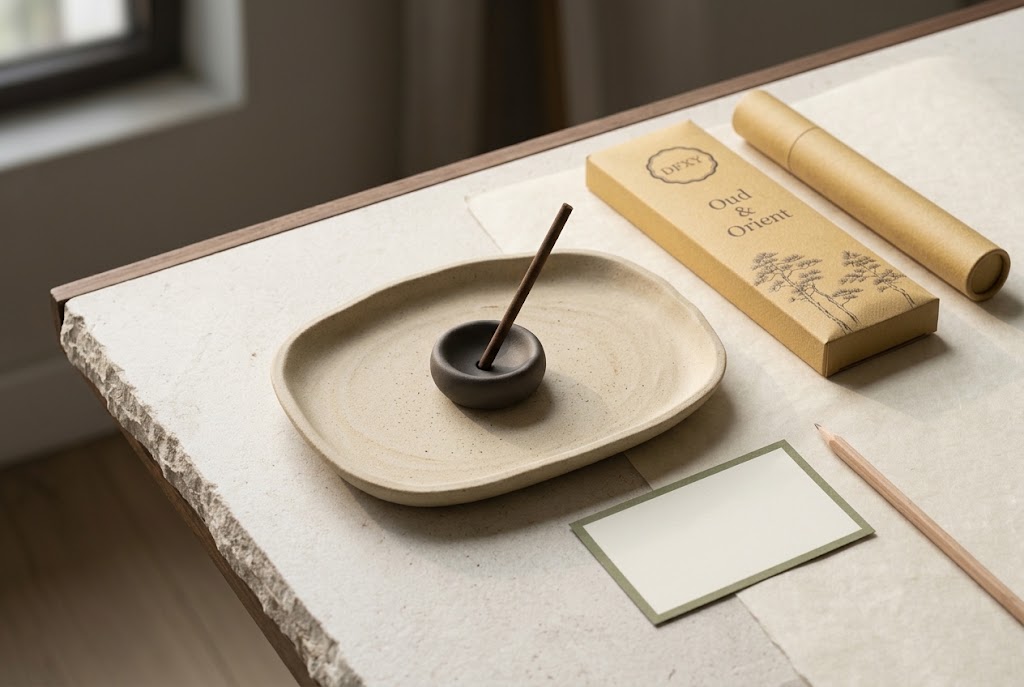
Agarwood aroma is often described with words such as woody, resinous, sweet, smoky, earthy, leathery, floral, or balsamic. These words are not quality grades. They describe a general direction.
For example:
| Description direction | What it may suggest |
|---|---|
| Soft woody or lightly sweet | A quieter, gentler starting point |
| Resinous or balsamic | A warmer, fuller aromatic character |
| Dry woody or earthy | A less sweet, more grounded impression |
| Smoky or leathery | A darker, more pronounced direction |
A natural label does not guarantee that a product will be deeper or more complex. A cultivated label does not guarantee that it will be lighter or less interesting. The finished aroma depends on the specific material and product construction.
If you are choosing a first stick, use the description to select a direction you are likely to enjoy, then test one stick at a time in your own space. For more help with scent vocabulary, see What Does Agarwood Incense Smell Like?.
Do not compare every agarwood item as though it were the same product. A box of finished incense sticks, loose chips, an oil, and a blended cone are different formats with different quantities, uses, and preparation steps.
A fair comparison starts with similar products:
| Compare this | With this | Check first |
|---|---|---|
| Coreless incense sticks | Other coreless incense sticks | Stick count, dimensions, material description, aroma direction |
| Bamboo-core incense sticks | Other bamboo-core incense sticks | Core type, stick count, burn format, scent description |
| Loose agarwood chips | Other loose chips | Net weight, chip condition, intended heating method |
| Incense blends | Other blends | Ingredient disclosure, burn format, aroma profile |
Comparing like with like helps you understand whether a difference comes from the material description, product format, quantity, or actual aroma direction. Comparing a small box of sticks with a bottle of oil by total price alone does not provide a useful answer.
For a format-focused guide, see Agarwood Chips, Bakhoor, or Incense Sticks?.
It is understandable to see “natural” as a sign of quality, but this can lead to unhelpful assumptions. Natural material may be important to some buyers, but it does not automatically determine whether a finished stick is the right choice for your room, your budget, or your scent preference.
A product may be described as natural yet still provide limited information about format, quantity, aroma, or intended use. Another product may come from cultivated material yet provide a clear description, consistent format, and scent direction that suits your needs.
The goal is not to decide which word is more prestigious. The goal is to understand what the product page can tell you and what you still need to test yourself.
Cultivated agarwood is not the same as an imitation fragrance product. “Cultivated” describes a growing context, not a conclusion about whether a product is genuine, valuable, or enjoyable.
A reliable listing should be clear about what it offers. If you want to understand a finished incense product, look beyond the growing-context label and review the material description, product format, aroma direction, and seller information.
Avoid treating “cultivated” as a reason to dismiss an incense product before you have considered these details. A small, clearly described product may be a more useful first test than a vague listing built around dramatic claims.
For a first purchase, neither “natural” nor “cultivated” should be the only deciding factor. Start with a clearly described incense-stick format that matches your holder and room.
A practical first-purchase plan is:
This routine helps you understand your preference without assuming that one label will answer every question. For a broader room- and scent-based selection method, see How to Choose Agarwood Incense for Your Home.
No. The terms describe growing context, not a universal quality ranking. Aroma direction, product format, quantity, processing, seller information, and personal preference all matter when choosing incense.
No. Cultivated describes material from trees grown in a managed environment. It does not mean an incense product is automatically imitation, low quality, or unsuitable.
No. Photos can help you understand format, packaging, and scale, but they cannot show the full aroma or confirm every product claim. Read the description and start with a small quantity if you are unsure.
Price can reflect material selection, product format, formulation, quantity, packaging, documentation, and seller services. Compare similar formats before judging price.
Check the format, quantity, scent direction, material description, use instructions, product photographs, and seller information. Use the natural or cultivated label as context, not as the only decision point.
When you compare agarwood incense, use clear product descriptions, one-stick testing, and a format that fits your room and holder. The most useful purchase is the one that gives you enough information to understand what you are choosing before you order.