
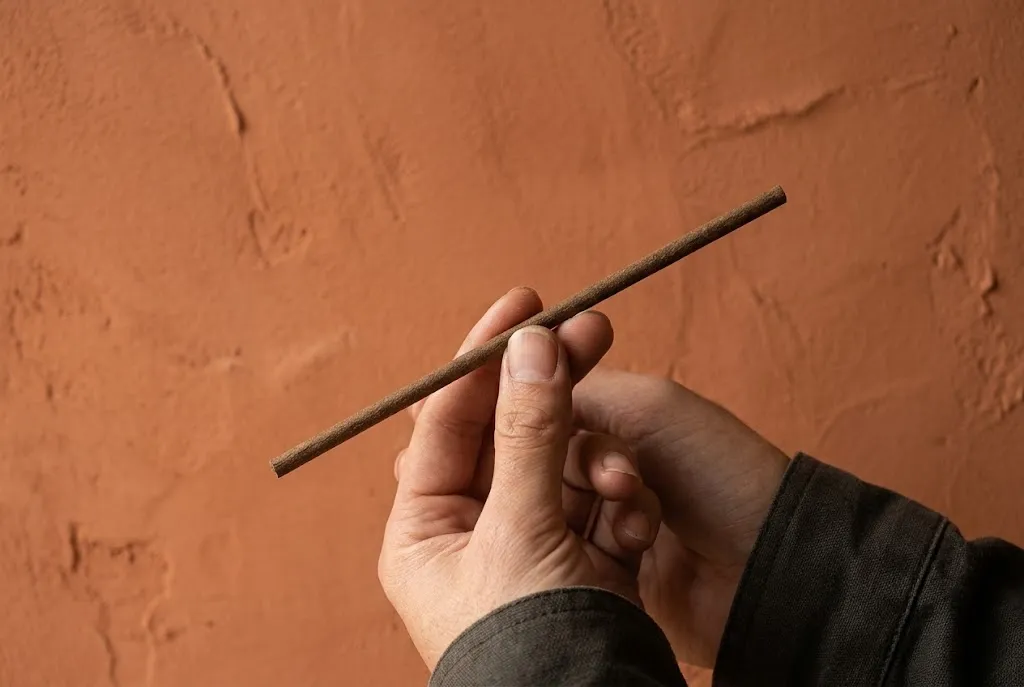
“Artisan incense” should tell you something about the work behind a stick, not simply make a product sound more special. A useful description explains which stages involve skilled hands, how consistency is maintained, and what the finished product should look and smell like. Without those details, the word becomes a label rather than information.
This guide focuses on judging craftsmanship from the product page, the physical stick, and your own experience. It does not claim that artisan incense is automatically better, safer, or more natural than other incense. Those conclusions require product-specific evidence.
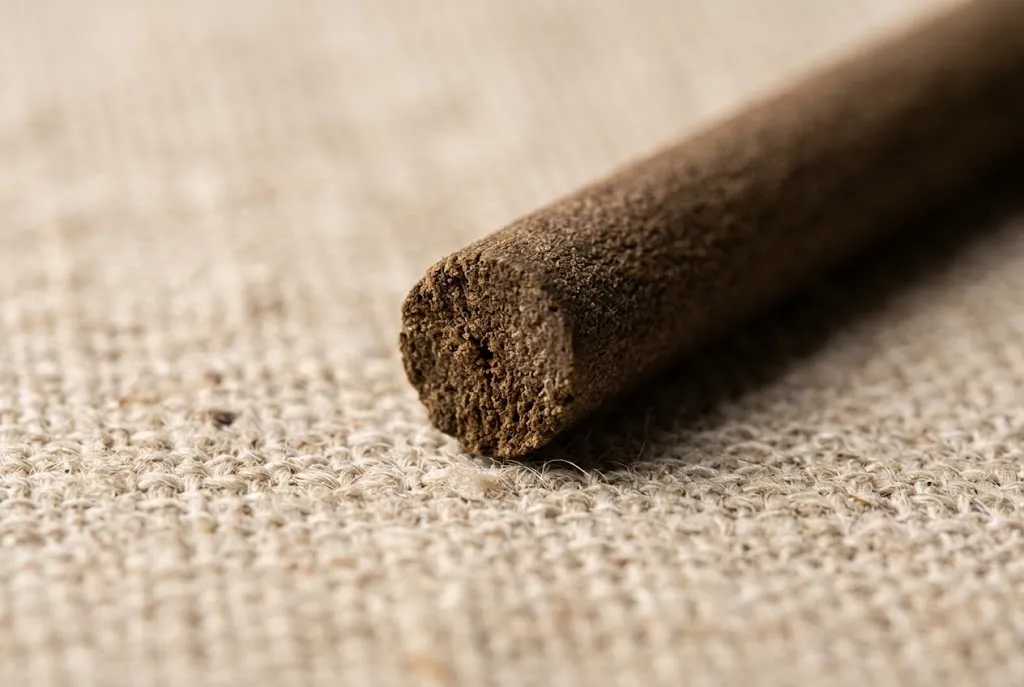
A credible artisan listing begins with a clear product description. It should identify the incense format, the aromatic direction, the quantity supplied, and any relevant construction details, such as whether the stick is coreless.
The word artisan becomes meaningful when it is connected to specific work. For example, a seller might explain that materials are blended and formed into sticks, then inspected and packed with attention to consistency. That is more informative than simply calling a product “handcrafted” or “traditional.”
Ask what the term covers. Does it refer to mixing, forming, cutting, arranging, inspection, or packaging? A seller who can answer this question gives you a basis for comparing products. A seller who cannot may be using the word decoratively.
Craftsmanship shows in consistency. Sticks in the same package should have a similar length, diameter, and color where the formula calls for it. They should be straight enough to place in a holder without wobbling, and they should not arrive broken, warped, or excessively fragile.
Consistency does not mean every stick must look identical. Natural materials can vary slightly in tone and texture. The useful question is whether variation stays within a range that still feels considered and controlled.
A well-made stick should also feel dry and firm rather than damp or crumbly. If incense arrives soft, bent, or coated in loose powder, that may indicate a handling or storage issue. Do not burn damaged incense; contact the seller and follow their guidance.
Aroma is central to incense, but it is also subjective. A practical way to assess it is to notice three stages: the scent of the unlit stick, the first impression after lighting, and the character that remains in the room.
An unlit stick should smell like its stated materials. A woody or resinous product should not smell mainly of synthetic perfume, and it should not smell like nothing at all. This observation does not prove ingredient quality, but it helps you check whether the description matches the product.
After lighting, pay attention to whether the aroma develops smoothly or turns harsh quickly. A balanced stick does not need to be strong; it needs to remain recognizable and comfortable in the space where you use it. If the scent feels raw, sharp, or inconsistent, note that alongside the product description.
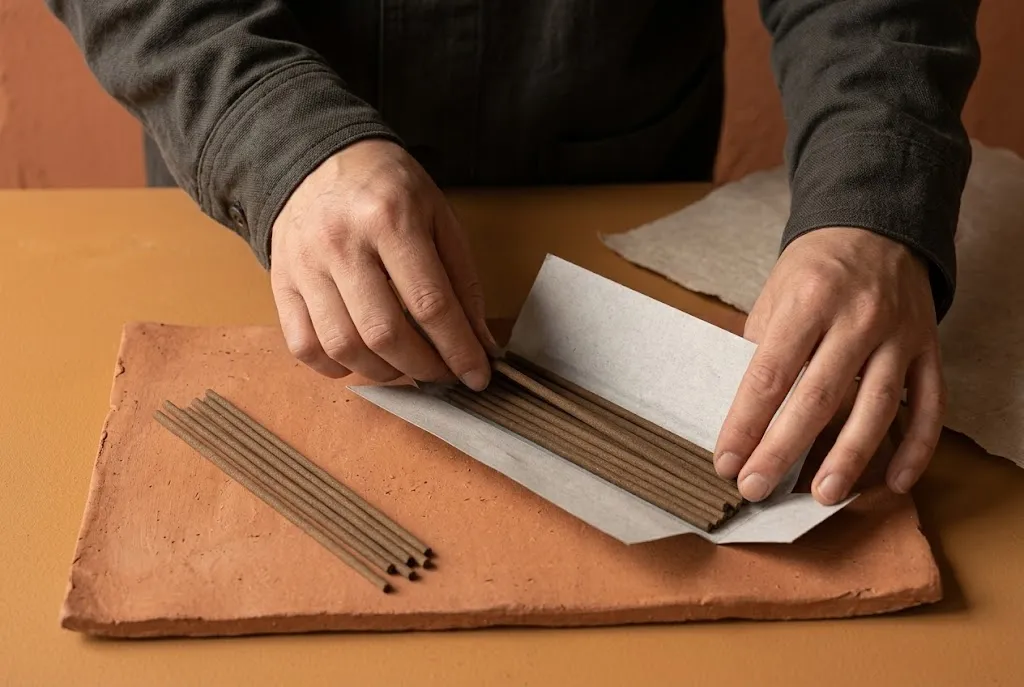
Drying is one of the quiet stages that separates careful production from rushed production. After shaping, incense must lose the moisture added during mixing. If drying is too fast or uneven, a stick can crack, warp, or burn inconsistently.
For a buyer, this matters because drying affects the product you receive. A stick that has been dried and handled carefully is more likely to arrive intact and burn evenly. A stick that has not may show physical problems before you ever light it.
Do not assume a particular drying time or method from a label. Workshops differ, and a number quoted by one maker cannot establish the schedule for another. If drying is important to you, ask the seller how they protect sticks from humidity and damage during storage and shipping.
Batch consistency is another practical test of craftsmanship. A good product should deliver a similar experience from one order to the next, within the natural variation of its materials.
This does not require identical sticks. It means the seller should be able to explain how they keep the formula, forming, drying, and packing consistent. Published industry guidance describes quality control as checking that finished incense matches its specification and that one batch resembles the next.
When reviewing a product, look for signs that the seller takes this seriously: clear product specifications, careful packaging, and a willingness to answer questions about variation. These details do not prove quality by themselves, but they make a craft claim easier to evaluate.
Artisan describes work. It does not automatically describe ingredient purity, safety, sustainability, or origin. Keep those claims separate and ask for evidence appropriate to each one.
For example, a seller may describe careful handwork while also claiming natural materials. The first claim concerns process; the second concerns composition. A convincing product page explains both without blending them into one unsupported statement.
The same applies to price. A higher price may reflect materials, labor, packaging, or brand positioning, but it does not by itself prove superior craftsmanship. Judge the description, the physical product, and your experience rather than the label alone.
When a new artisan incense arrives, use a short routine:
This routine does not turn a buyer into a laboratory. It simply helps you decide whether a craft claim has practical meaning for the product in front of you.
Not necessarily. Ask which stages involve manual work. A product may combine skilled handwork with equipment for mixing, forming, or packing.
No. The label describes work, not a guaranteed result. Judge the product description, physical condition, aroma, and batch consistency.
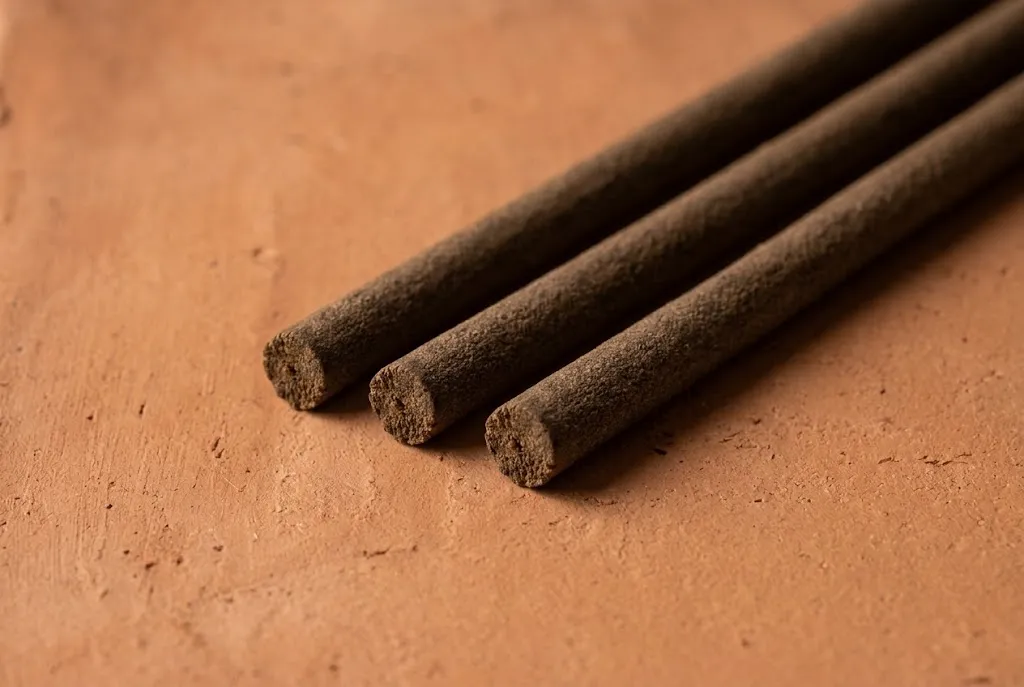
Not by itself. Natural materials can vary slightly in color and texture. The useful question is whether variation remains controlled and the product matches its description.
Do not burn damaged incense. Contact the seller with photos and order details, and follow their guidance for a replacement or refund.
You cannot verify drying from appearance alone. Look for practical signs such as intact, straight sticks and an aroma that matches the description, then ask the seller about humidity protection and handling.