
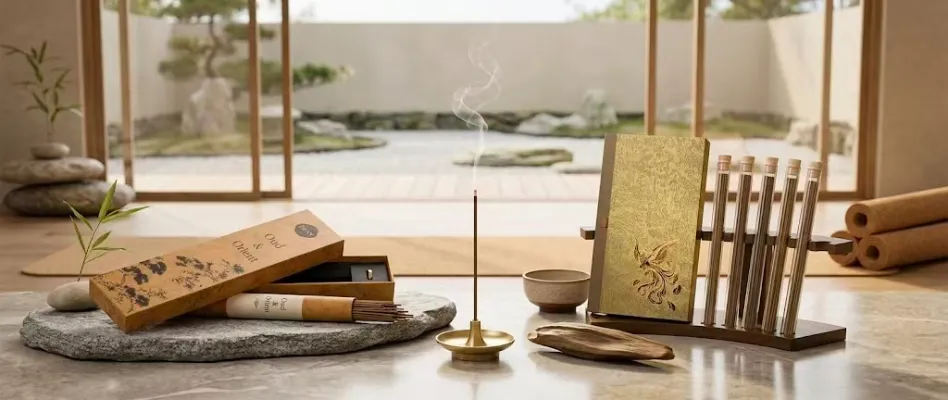
“Pure oud” is one of the most widely used phrases in the fragrance market—and one of the least clearly explained.
A buyer may see the same words on a bottle of oil, a box of incense, a packet of wood chips, or a perfume. Yet these products can be completely different in material, format, fragrance behaviour, and intended use.
The question is not simply whether oud smells good. It is whether you understand what you are buying.
Is it natural agarwood oil, fragrant wood, incense made with agarwood powder, or a wider fragrance composition? Is it designed for personal scent, home fragrance, hospitality, gifting, or collecting? And what information should a buyer expect before making a decision?
This guide explains how oud is used today, why its fragrance varies so widely, and how to choose agarwood products with greater clarity.
Oud is another name for agarwood: fragrant, resin-rich wood associated with certain species in the Aquilaria and Gyrinops genera.
Across different regions, it may be called agarwood, aloeswood, eaglewood, gaharu, or oud. The names differ, but the material is valued for the same reason: its fragrance has depth, movement, and character.
Agarwood does not present itself as one fixed scent. Depending on the material, origin, resin profile, processing method, and format, it may begin dry and woody, become warmer and more resinous, then settle into softer notes with balsamic, earthy, smoky, sweet, or leathery qualities.
A heated wood chip, a coreless incense stick, and a distilled oud oil may all come from agarwood, but they create very different fragrance experiences.
Agarwood has been valued across East Asia, Southeast Asia, South Asia, and the Middle East for centuries.
In Japan, fragrant woods are appreciated through an established incense tradition often associated with Kōdō, sometimes translated as “the Way of Fragrance.” In the Gulf, oud remains closely connected to hospitality, personal scent, clothing fragrance, and the ritual of welcoming guests. Across China and Southeast Asia, agarwood has long appeared in incense traditions, gifting, tea settings, and cultural ceremonies.
These traditions share an understanding that fragrance can shape a moment without dominating it.
Oud may be lit before guests arrive, warmed during a tea session, used to scent a room before an evening gathering, or enjoyed privately during a quieter part of the day. Its value is closely tied to atmosphere, pace, and memory.
Agarwood incense is available in several formats, including coreless sticks, bamboo-cored sticks, coils, powders, and incense blends.
Each format affects how the fragrance develops. Shorter sticks are often chosen for a focused daily session, while long-format incense can accompany hospitality, tea, reading, reflection, or an extended gathering.
Coreless incense is made without a bamboo centre. This allows the fragrance experience to stay closer to the incense composition itself, rather than combining with the woody scent of a burning bamboo stem.
For many incense users, the appeal is not simply fragrance intensity. It is the development of the aroma over time: a dry woody opening, a warmer resinous middle, and a softer finish that remains gently in the room.
Agarwood chips are usually warmed rather than burned with a visible flame. They can be used with electric heaters, charcoal burners, or traditional incense equipment.
This format is often appreciated by collectors and fragrance enthusiasts because heat reveals the material gradually. A small chip may release different aspects of its aroma as the temperature changes, allowing the user to spend more time with the wood itself.
Oud oil is used in traditional attars, modern perfumery, and personal fragrance rituals.
Depending on the material and distillation style, an oud oil may feel dry, smoky, leathery, woody, sweet, earthy, balsamic, or quietly floral. Natural variation is part of its character. A buyer should not expect every batch to smell identical; instead, the supplier should describe the fragrance honestly and explain whether the product is natural oud oil, a blend, or a finished perfume composition.
In many homes, oud is part of receiving guests. It may be used to scent a majlis, refresh a living space, perfume fabrics, or create a more memorable atmosphere during a gathering.
For gifting, agarwood offers something more personal than a decorative object. A well-presented incense set, wood chip selection, or refined oud fragrance can become part of the recipient’s own ritual, home, or hospitality tradition.
The word “pure” should describe a product clearly. It should not replace the product description.
A bottle of oud oil, a piece of agarwood, and a finished incense stick cannot be judged by the same standard. Each format should be explained according to what it is and how it is intended to be used.
For example:
A responsible supplier should explain the format, intended use, available material information, and relevant aromatic additions. Clear information helps a customer choose with confidence and helps retailers present products accurately to their own customers.

No single detail can confirm the quality, origin, grade, or composition of agarwood.
A dark colour does not prove quality. A powerful scent does not prove purity. A high price does not guarantee better material. Low smoke, bamboo-free construction, or elaborate packaging may all be relevant details, but none independently confirms what a product contains.
A better approach is to consider several signals together.
Look for a product description that explains the material and format in plain language.
For incense, useful details include:
For oud oil, ask whether it is natural oud oil, a blend, or a finished perfume. For wood chips, ask how the material is best heated and what information is available about the product.
Clear specifications are more valuable than vague labels such as “royal grade,” “super premium,” or “100% authentic” without further explanation.
Oud is rarely a one-note material.
Agarwood may smell different as it warms, burns, or settles into a room. The opening may feel dry, clean, or woody. The middle may become deeper and more resinous. The final stage may leave a softer, warmer trace.
This is not a universal test for authenticity. It is, however, one reason why thoughtful fragrance descriptions matter. A supplier should be able to explain the expected scent profile without relying only on words such as “strong,” “luxury,” or “best.”
The right oud product depends on how you plan to use it.
Understanding the format before buying helps prevent disappointment after delivery.
For retailers, distributors, hospitality partners, and serious fragrance enthusiasts, transparency is one of the strongest trust signals.
Before placing an order, ask:
A professional supplier should welcome these questions. Clear answers are more useful than broad promises.

Agarwood is a valued fragrance material, but it also belongs to a regulated international trade landscape.
For international buyers, responsible sourcing means working with suppliers who can discuss product format, available origin information, export requirements where applicable, and relevant documentation. It also means avoiding unsupported claims about purity, grade, species, or provenance.
For retailers and distributors, clear sourcing conversations make product listings more accurate and help customers understand what they are purchasing.
Quality is not only about how oud smells. It is also about how clearly the product is described.
Use oud incense with the same care you would give any burning aromatic product.
At DFXY, we regularly speak with buyers who have been disappointed by vague oud descriptions: incense that does not match the fragrance expectation created by its packaging, oils with no clear format disclosure, or “pure” claims that provide no useful information.
That is why we encourage buyers to begin with practical questions.
What is the format? How should it be used? What are the product specifications? What fragrance experience can reasonably be expected? What information can the supplier provide about packaging, composition, and sourcing?
A better oud experience begins before the product is lit. It begins with knowing what you are choosing.
DFXY creates agarwood incense for customers who value clear product information, refined formats, and fragrance that develops with time.
Our collection is suited to hospitality, tea moments, personal rituals, gifting, retail, and private-label projects. For product specifications, packaging options, MOQ, current lead times, and shipping details, please contact our team.
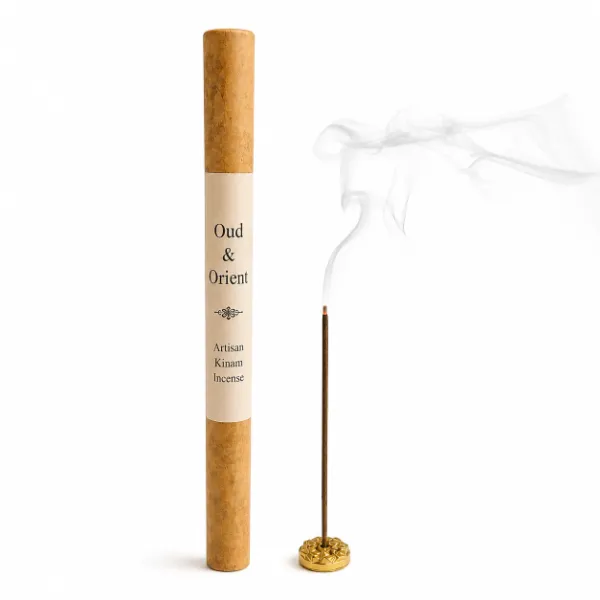
A rare cooling-sweet agarwood from Vietnam’s most legendary origin — Nha Trang. Naturally chilled, honey-sweet, and pure. Perfect for meditation, yoga, and quiet moments of calm. 10g.
Yes. Oud is a commonly used name for agarwood, particularly in Middle Eastern fragrance culture. It may refer to fragrant agarwood, oud oil, incense, or oud-based fragrance products.
No. The meaning depends on the product format. Oud oil, agarwood chips, incense sticks, and perfume blends should each be described according to their actual composition and intended use.
No. Fragrance can provide useful context, but it cannot independently confirm species, origin, grade, or material percentage. Product transparency, supplier information, and relevant documentation are more reliable indicators.
Coreless incense is made without a bamboo centre. Bamboo-cored incense is formed around a bamboo stick, which can contribute its own woody note during burning. Neither format alone proves quality; the choice depends on the fragrance experience and intended use.
Store incense in its original box or a clean, sealed container. Keep it in a cool, dry, dark place away from direct sunlight, humidity, heat sources, and strongly scented products such as perfume or spices.